
Sell Across India. Fulfil From Multiple Locations.
Amazon Easy Ship Multi-Location Fulfilment (MLF) lets sellers store and dispatch inventory from more than one location, instead of depending on a single warehouse for the whole country.

50,000+
eCommerce sellers supported with structured systems and operational excellence









The Problem With One Fulfilment Location
Relying on a single warehouse to serve the entire country creates operational strain as a business grows. Long distances, regional transit challenges, inventory concentration, bulky-product handling, and warehouse bottlenecks can make nationwide fulfilment harder to manage.
Here's how top delivery teams solve it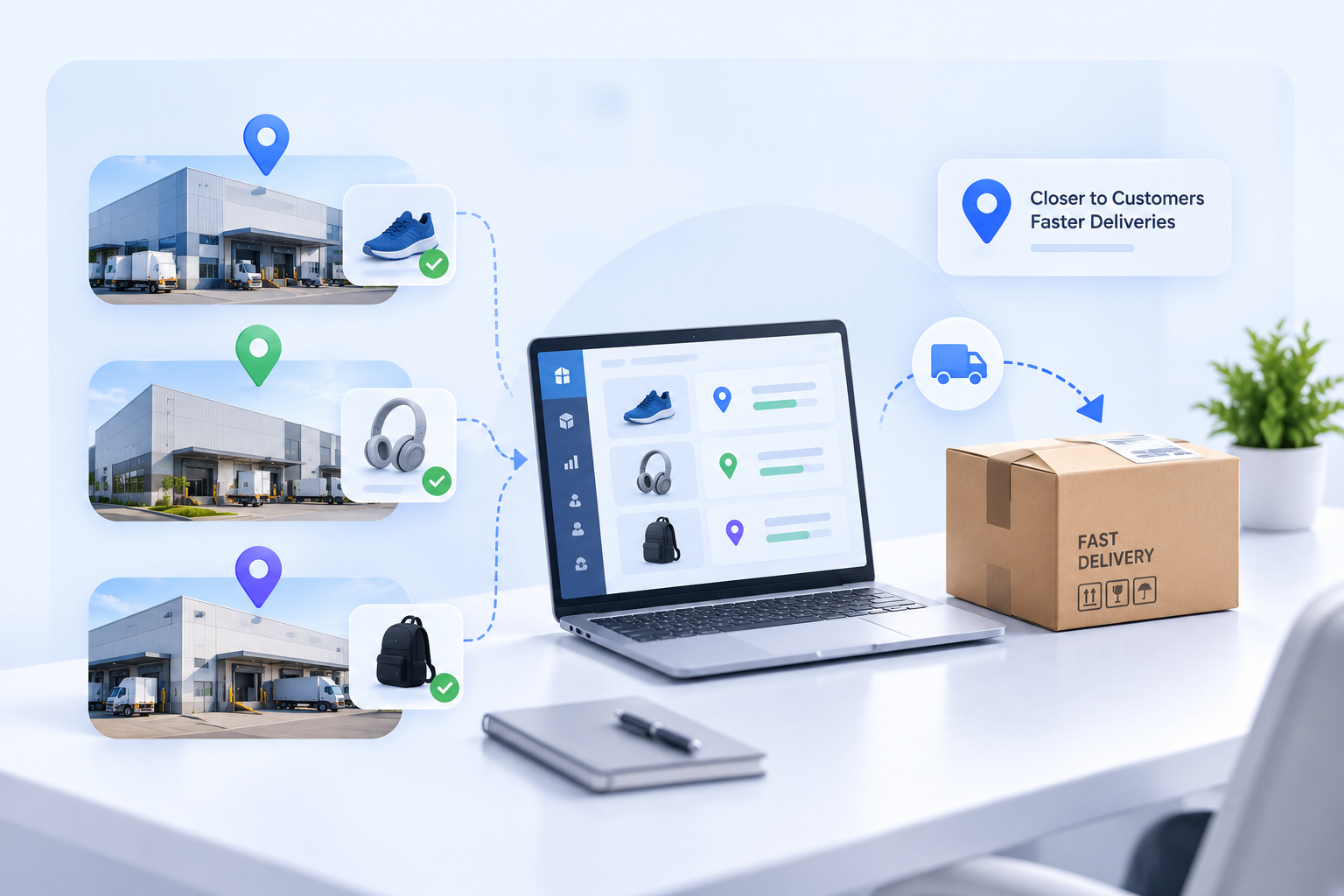
What Is Amazon Easy Ship Multi-Location Fulfilment?
Learn how Amazon Easy Ship Multi-Location Fulfilment (MLF) works, how multiple fulfilment locations help sellers ship orders regionally, and why inventory placement matters.
- What is Multi-Location Fulfilment (MLF)? Understand how Amazon Easy Ship MLF lets sellers fulfil orders from multiple registered locations.
- Single vs. Multi-Location Fulfilment: See how MLF differs from shipping every order from one warehouse.
- Regional Order Fulfilment: Orders can be fulfilled from a location closer to the customer when inventory is available there.
- Inventory Placement Matters: MLF depends on where your inventory is stored across your registered fulfilment locations.
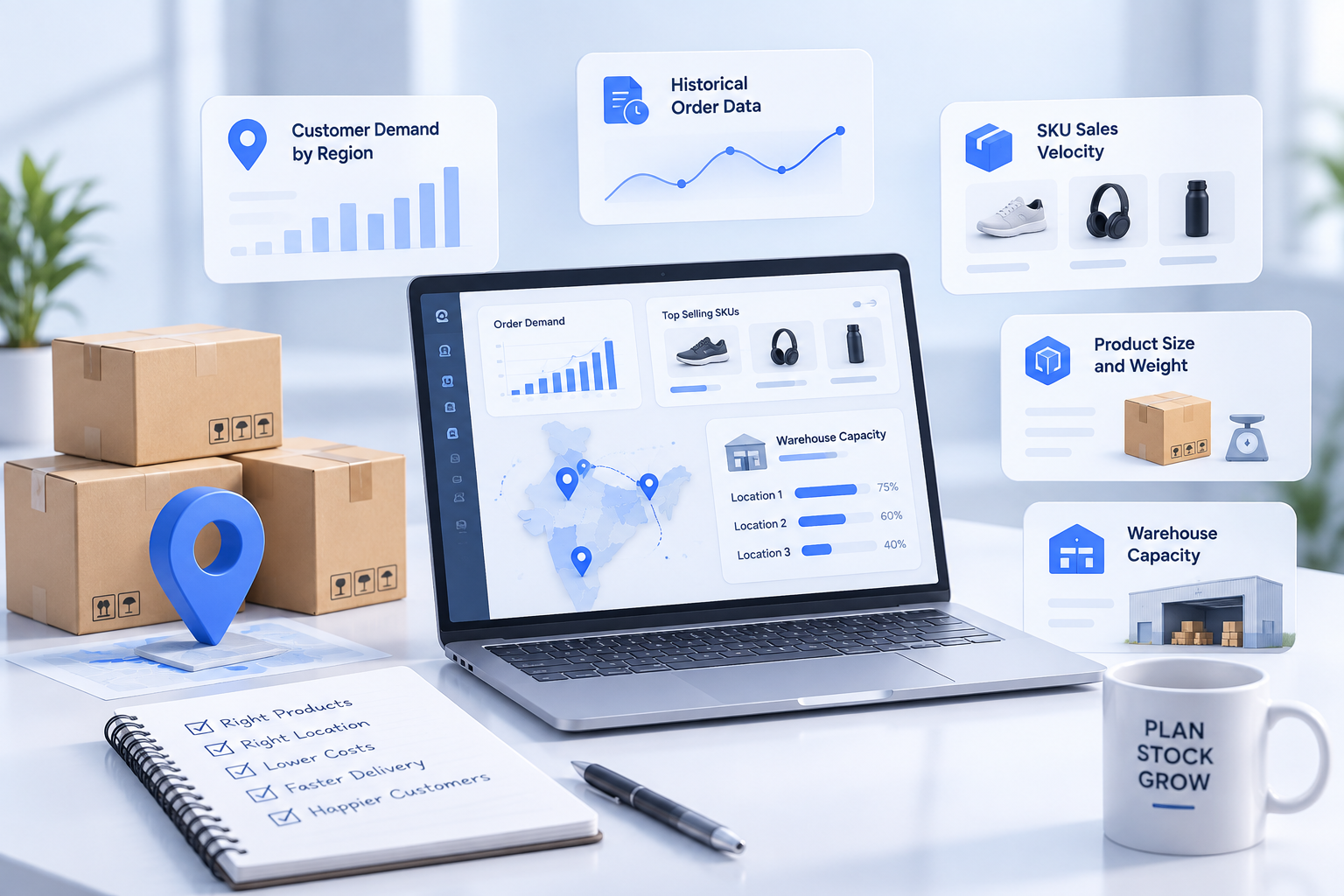
Why Inventory Location Matters
MLF is not simply about having multiple locations. It is about having the right inventory in the right location. Adding a second or third warehouse without a clear strategy behind it can create as many problems as it solves. Before deciding where inventory should sit, sellers should analyse:
- Customer demand by region — where are your actual orders coming from, consistently?
- Historical order data — what patterns have played out over the past several months or seasons?
- SKU sales velocity — which products move fast, and which move slowly, in each region?
- Product size and weight — bulky or heavy items behave very differently from small, lightweight ones in terms of logistics cost.
- Warehouse capacity — does each location have room to hold the stock a strategy requires?
How MLF Works
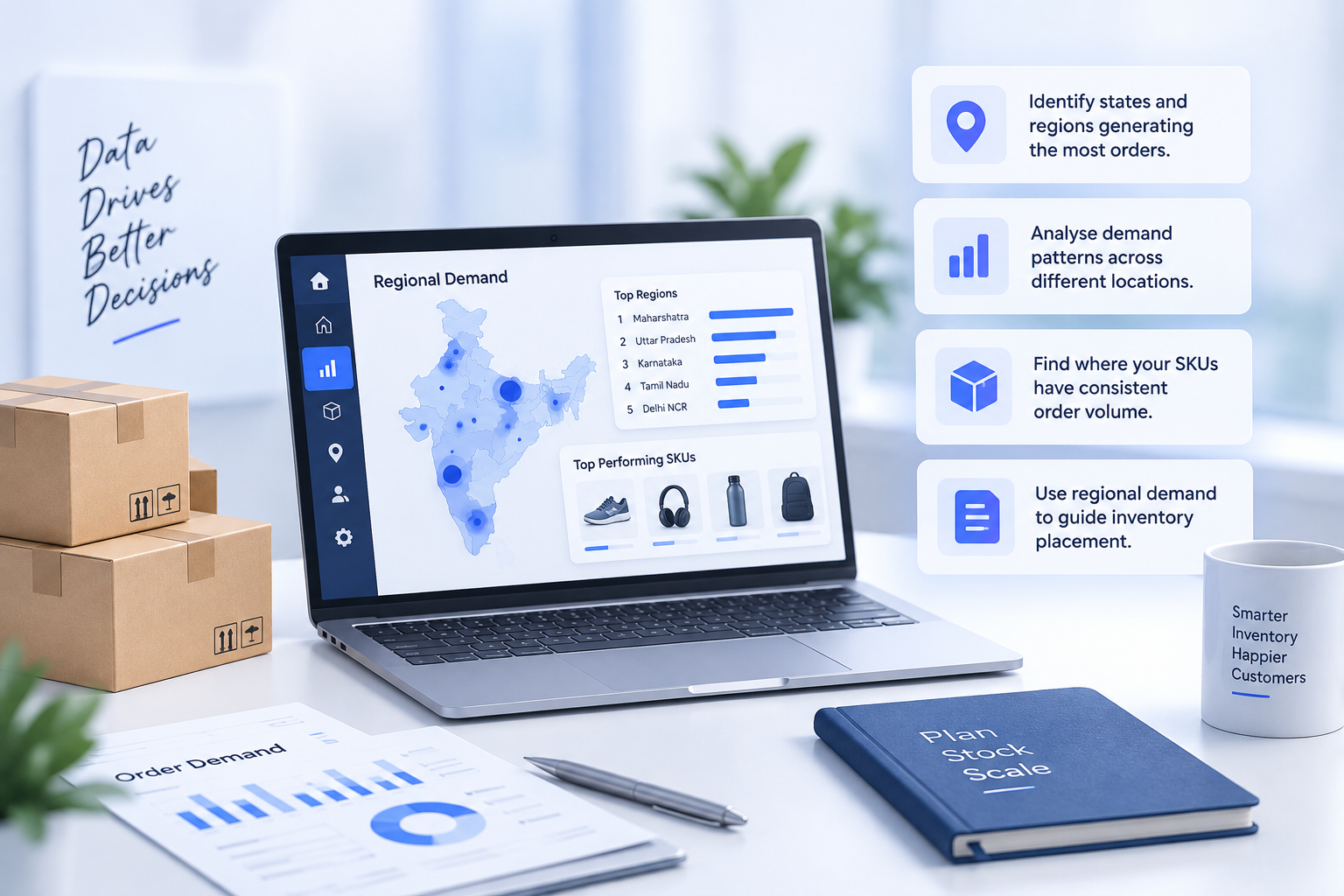
Demand
- Identify states and regions generating the most orders.
- Analyse demand patterns across different locations.
- Find where your SKUs have consistent order volume.
- Use regional demand to guide inventory placement.
MLF Benefits for Amazon Sellers
MLF enables strategic inventory distribution, regional scalability, operational flexibility, and potentially faster fulfilment while improving planning for bulky products.
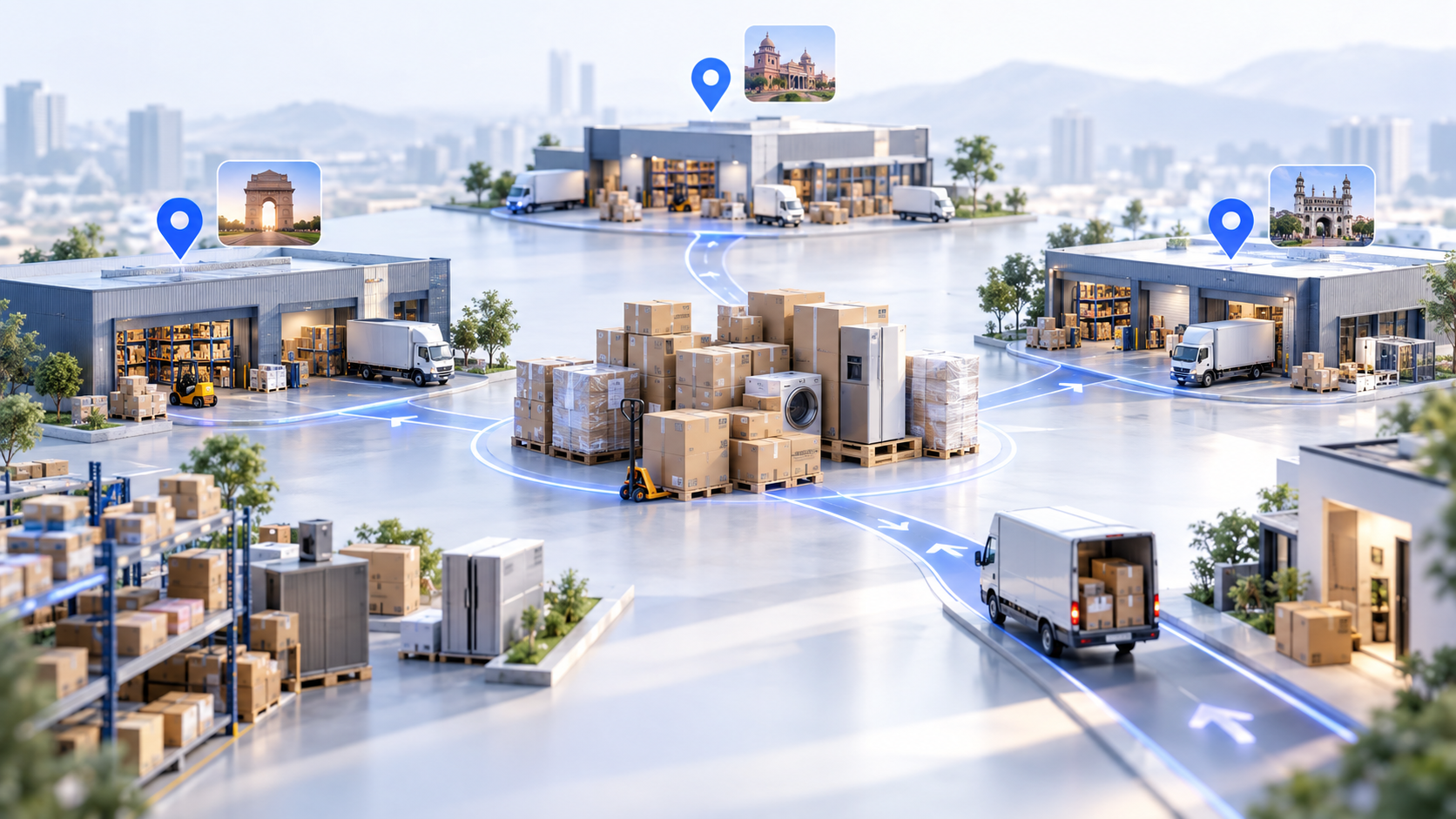
Faster fulfilment potential
Positioning inventory closer to customers can potentially reduce the distance involved in fulfilling an order — though actual delivery times depend on the seller's specific setup, carrier, and Amazon's policies.
Better inventory distribution
Rather than one large, undifferentiated stock pool, sellers can distribute inventory strategically according to where demand actually exists.
National scalability
As a seller expands into new regions, MLF provides a framework for growing fulfilment capability alongside that expansion, rather than straining a single location.
Reduced dependency on one location
Operating from multiple locations offers greater operational flexibility if one location faces a disruption, capacity issue, or stock shortage.
Better fulfilment planning
Sales and demand data can directly inform where inventory should be positioned, turning fulfilment into a planned strategy rather than a reactive process.
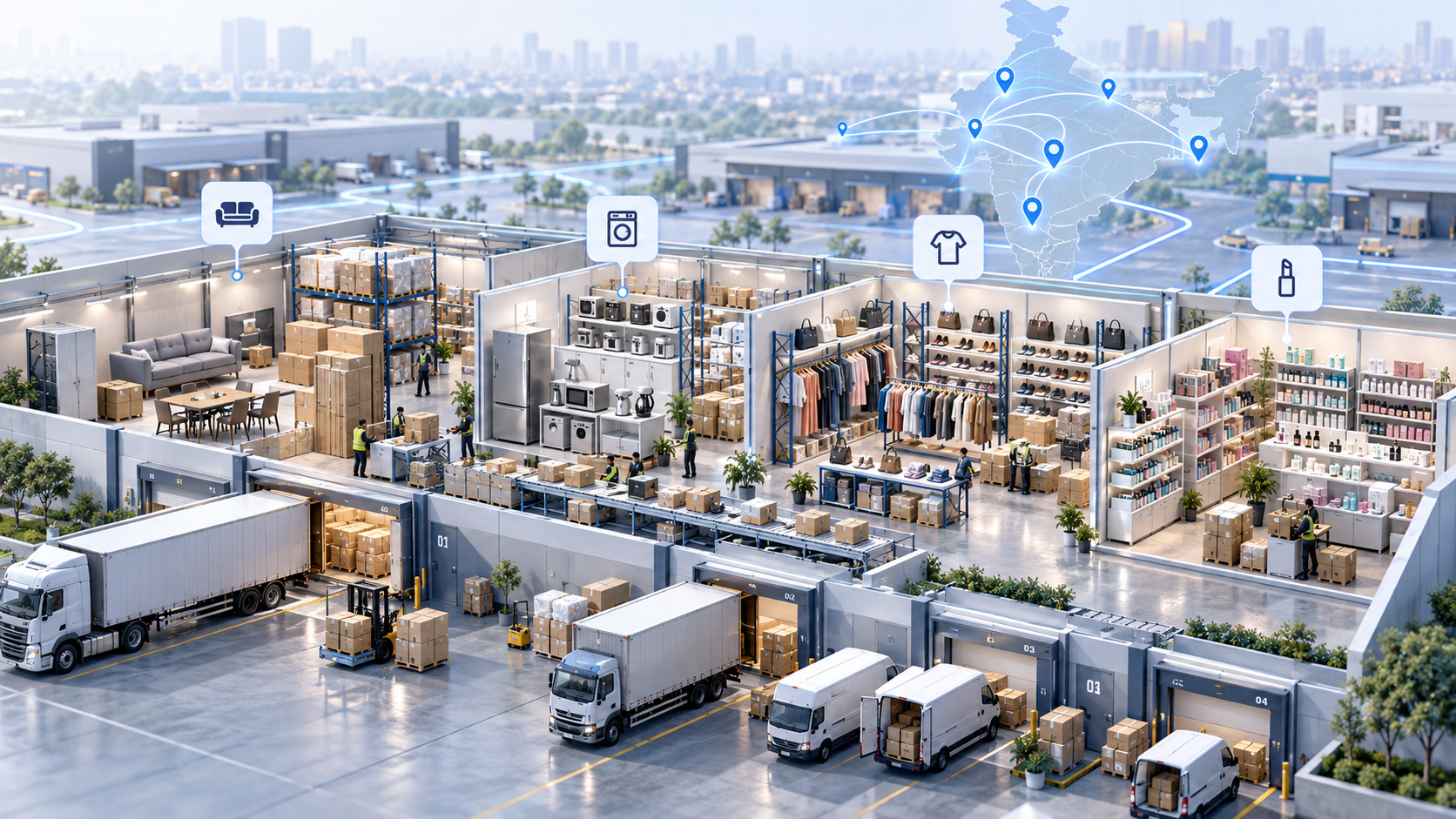
Better management of bulky products
For furniture, appliances, and other large or heavy items, where inventory sits has an outsized impact on handling cost, transit risk, and delivery complexity — making location planning especially relevant for these categories.
MLF for Different Types of Sellers
The source provides category-specific descriptions below rather than a separate introductory paragraph.
- Furniture & Bulky Products — Reduce long-distance handling and freight dependency.
- Home, Kitchen & Appliances — Improve regional stock allocation for heavy or fragile products.
- Fashion & Lifestyle — Allocate inventory based on regional sales velocity and changing demand.
- Beauty & Consumer Products — Support consistent availability across high-demand regions.
How to Plan MLF Correctly
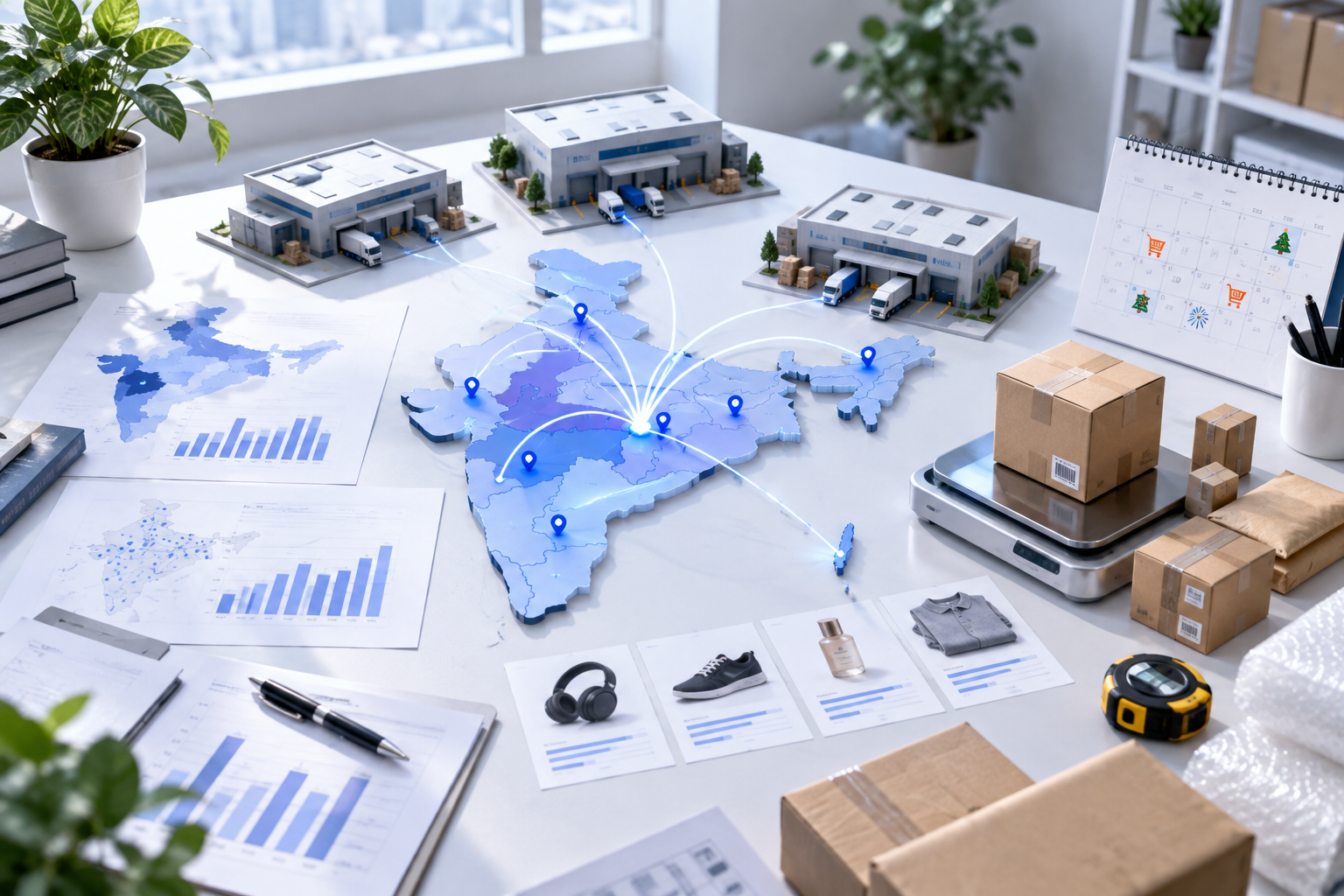
Before implementing MLF, a seller should analyse:
- • Sales by state — which states consistently generate order volume?
- • Sales by PIN code/region — is demand concentrated in specific cities or spread out?
- • SKU-wise demand — which specific products are driving orders in each region?
- • Product dimensions and weight — how much does shipping cost vary by product type and distance?
- • Seasonal demand — are there predictable spikes (festive season, regional events) that should shape short-term inventory decisions?
MLF + Technology
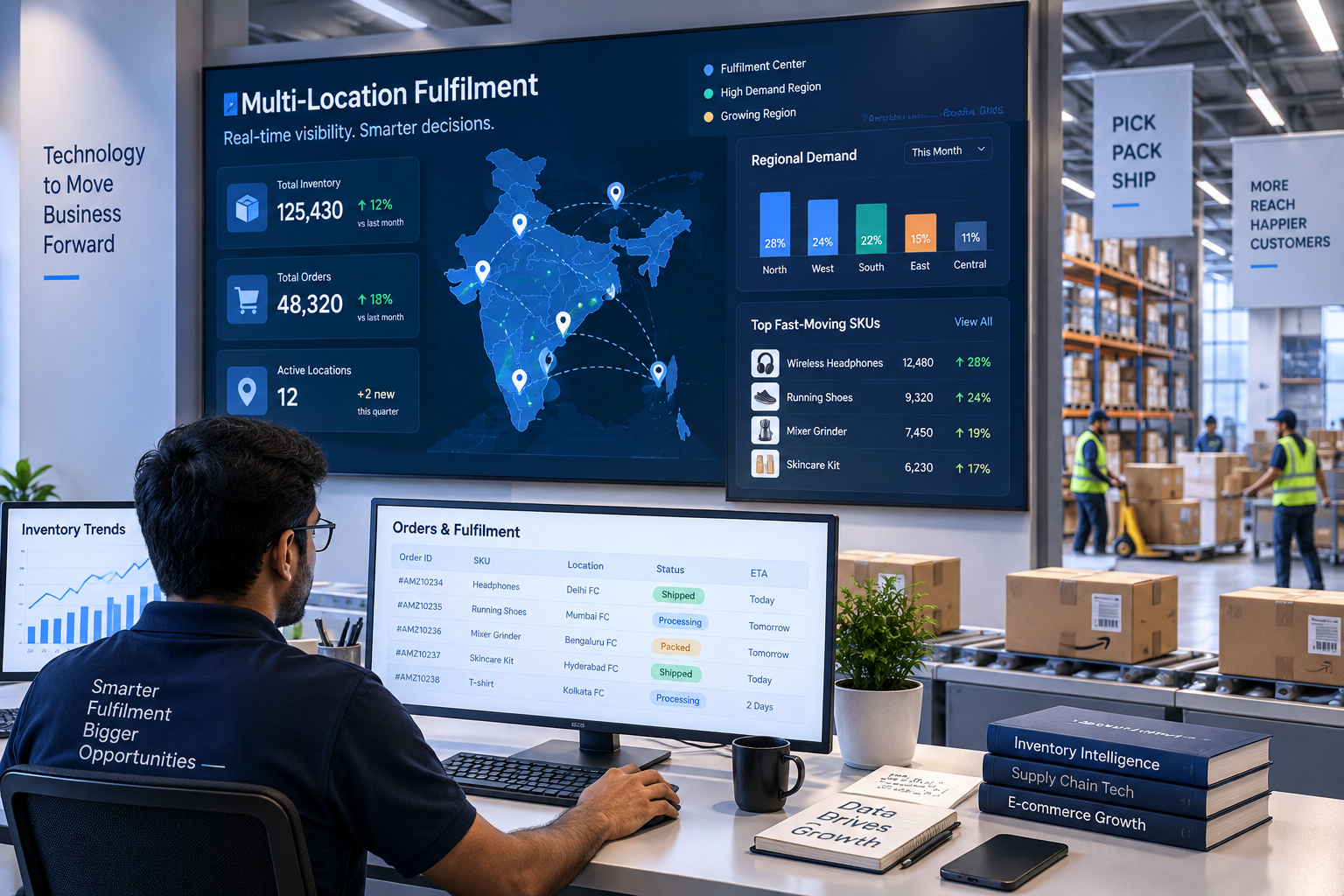
Managing MLF manually becomes difficult at scale. Sambhav provides the visibility and data needed to manage multi-location fulfilment efficiently.
- • Monitor inventory across locations in real time, from a single dashboard
- Track orders as they're routed and fulfilled from different locations
- Analyse regional demand to spot where patterns are shifting
- Identify fast-moving SKUs by location, so allocation decisions are backed by data
- Make data-driven inventory decisions instead of relying on guesswork

MLF Implementation Support
Planning and running MLF well takes more than good intentions — it takes structured analysis and ongoing management. An MLF expert can help with:
- • Business assessment — understanding your current fulfilment setup and where the gaps are
- • Sales and demand analysis — reviewing your historical order data by region and SKU
- • Location planning — identifying which locations make sense based on your specific data
- • SKU allocation strategy — deciding what stock goes where, and how much
- • Inventory planning — setting replenishment cycles and stock levels per location
- • Continuous optimisation — adjusting the strategy as demand and business needs evolve